Artificial Turf Burn in Arizona: What Causes Turf to Melt & How to Prevent It
Artificial Turf Burn in Arizona: What Causes Turf to Melt & How to Prevent It
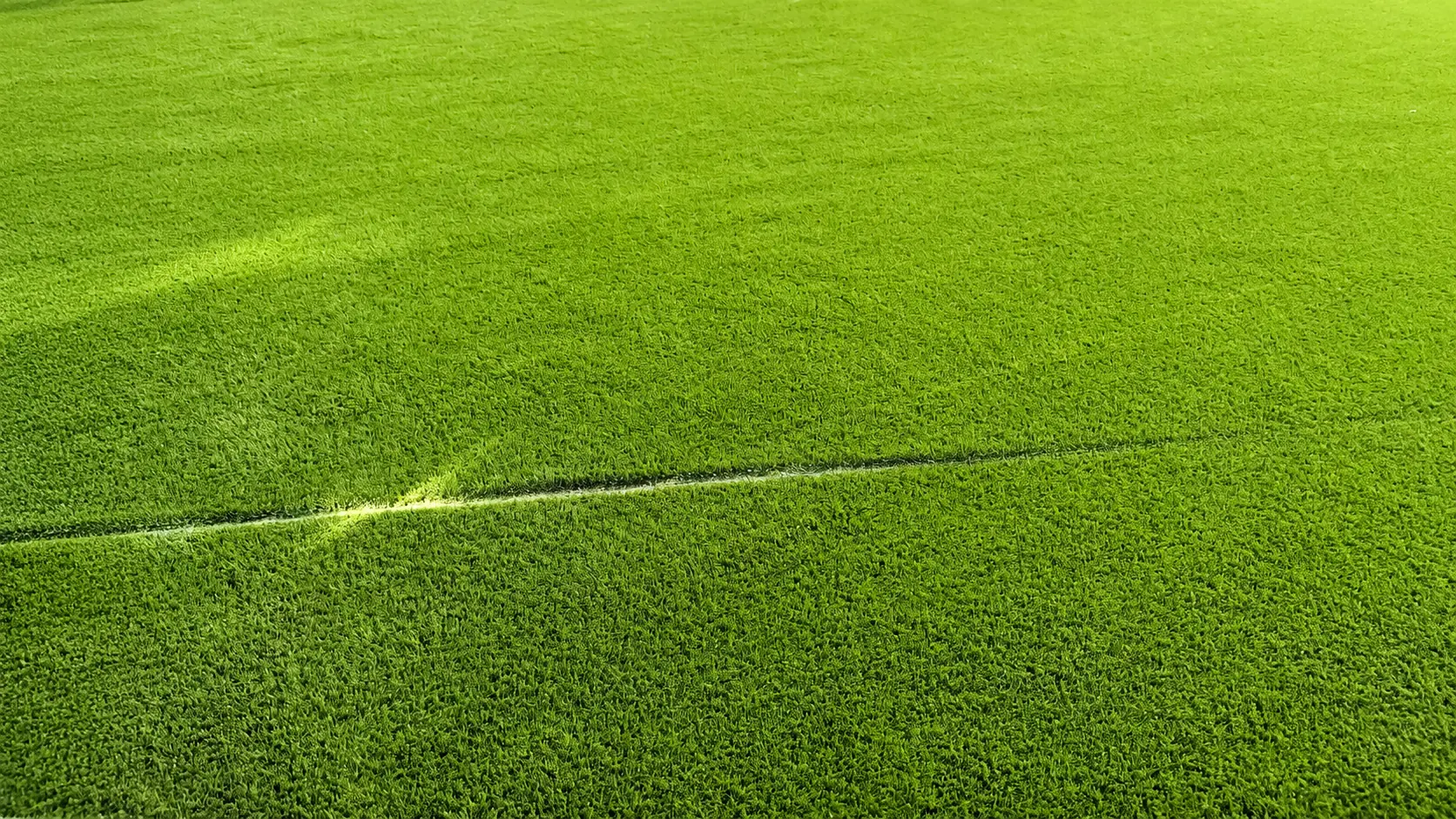
When we talk about artificial turf burn at No Limit Turf, we’re talking about heat damage that can cause synthetic turf fibers to shrink, curl, flatten, discolor or even melt. Turf burn in Arizona can happen for several reasons, and some of the most common causes aren’t obvious until the damage has already occurred.
Here in Arizona, this is something homeowners, contractors and DIY installers should know about before putting turf down. Our intense sunlight, energy-efficient windows, pools, outdoor kitchens and landscaping equipment can all come into play.
And one of the biggest causes is something most homeowners would never suspect.
A window.
Can a Window Really Melt Artificial Turf?
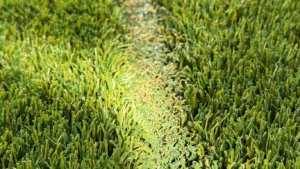
Yes, under the right conditions.
Certain windows, particularly some energy-efficient Low-E window configurations, can reflect and concentrate sunlight onto a relatively small area.
Low-E stands for low emissivity. These windows use coatings designed to manage heat transfer. That’s good for energy efficiency inside the home, but depending on the window, glass shape and angle of the sun, reflected solar energy can create an extremely hot area outside.
Artificial turf is made from synthetic fibers. Those fibers are designed to withstand normal outdoor conditions and Arizona sunlight, but concentrated reflected heat is different from normal sun exposure.
Window reflection is one of the most important turf burn risks to check for before installation. If concentrated sunlight repeatedly hits the same area, the resulting artificial turf burn may appear in a very specific pattern rather than affecting the entire lawn.
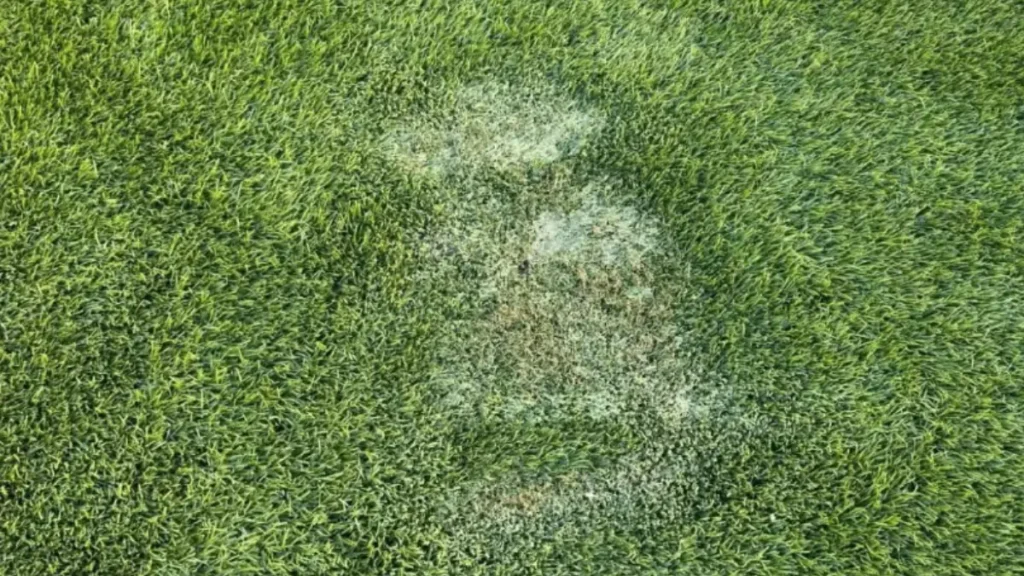
What Does Artificial Turf Burn Look Like?
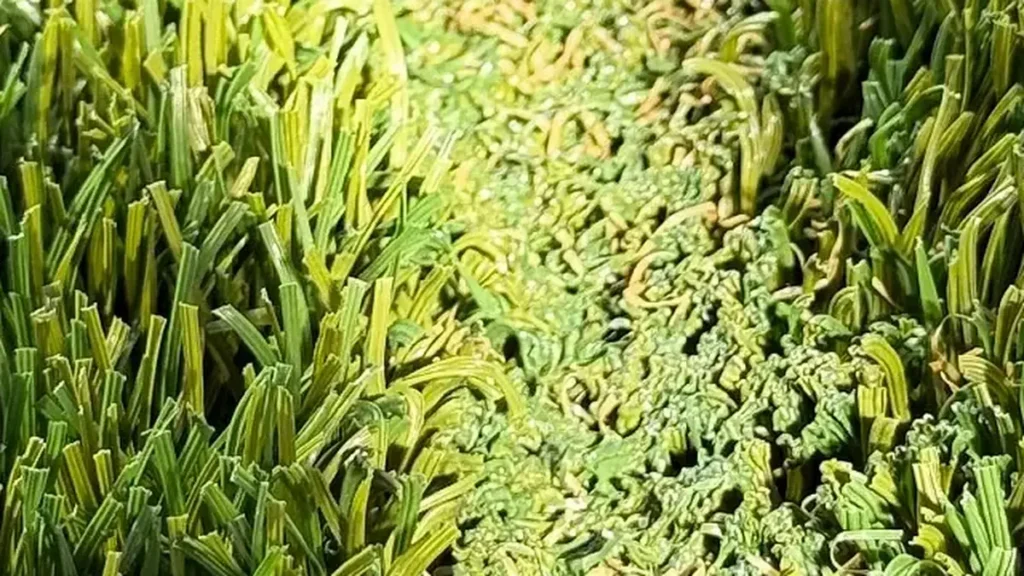
Extreme close-up showing artificial turf fibers curled, fused, and melted by concentrated window-reflected sunlight.
It doesn’t necessarily look “burned” in the traditional sense.
You might notice:
- Curled or shortened blades
- A shiny patch
- Fibers fused together
- Flattened areas that won’t brush back up
- Discoloration
- A narrow strip or unusual pattern of damage
- One damaged area surrounded by otherwise perfect turf
That last one is important.
When we see one isolated area experiencing a problem, the question becomes:
What’s different about this exact spot?
Sometimes the answer isn’t underneath the turf.
It’s twenty feet away on the side of the house.
Watch the Property at Different Times of Day
A reflection problem isn’t necessarily obvious when you’re measuring a yard.
You might look at the area at 9:00 in the morning and see nothing.
Come back in the afternoon and a bright reflection could be traveling directly across the future turf area.
The sun’s position also changes throughout the year, which means a reflection may appear seasonally.
If you have large windows near the proposed turf area, particularly south- or west-facing glass, it’s worth looking at the property during different parts of the day before installation.
Windows Aren’t the Only Thing That Can Cause Turf Burn
This is where homeowners are often surprised.
Artificial turf burn can come from more than one source. Anything that concentrates, traps or transfers enough heat onto the turf can potentially damage synthetic fibers.
Clear Pool Floats and Inner Tubes
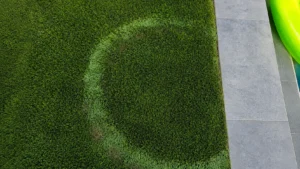
Heat trapped beneath pool floats can discolor and damage artificial turf.
This one is especially relevant in Arizona.
A pool and artificial turf can be a great combination. But be careful about leaving clear or translucent inflatables sitting on your turf in direct sunlight.
That includes:
- Clear inner tubes
- Inflatable pool toys
- Clear inflatable furniture
- Certain pool floats
- Clear or translucent plastic accessories
Some clear or curved items can interact with sunlight in a way that creates concentrated or trapped heat.
This type of turf burn is easy to overlook because the turf may look completely normal when the pool toy is removed. If you notice an unusual melted or flattened area where a clear float or plastic object was sitting, concentrated or trapped heat should be considered as a possible cause.
Our recommendation is easy:
When you’re finished with the pool, put the floats away.
Don’t make the turf their permanent storage location during an Arizona summer.
Other Plastic Pool Accessories
Even when an object isn’t acting like a lens, plastic items sitting directly against turf can create localized heat conditions.
That can include:
- Pool covers
- Plastic storage bins
- Dark plastic accessories
- Clear containers
- Pool equipment left in direct sun
If an object is trapping heat against the surface, moving it off the turf is a simple way to reduce risk.
Glass Tables and Outdoor Furniture
Glass isn’t limited to windows.
Glass tables and certain pieces of outdoor furniture can also reflect or concentrate sunlight.
If you’re designing an outdoor living space that combines turf and glass furniture, pay attention to where reflections land during the afternoon.
Glass Pool Fencing and Railings
Modern glass fencing looks great around pools, but it’s another reflective surface worth evaluating.
We’re not saying glass fencing automatically damages turf.
We’re saying look at what the sunlight is doing before assuming there’s no issue.
Turf Burn From Hot Landscaping Tools
This is one of the easiest types of turf burn to prevent.
Gas-powered landscaping equipment can become extremely hot while running.
Someone finishes trimming the yard and sets a weed eater directly on the turf.
The engine is off.
The hot components aren’t.
Think about:
- Weed trimmers
- Hedge trimmers
- Leaf blowers
- Engines
- Exhaust components
- Other hot power equipment
Turf burn from hot tools is highly preventable. A simple rule for crews working around artificial grass is to never use the turf as a place to set down equipment that’s hot from operation.
Give hot equipment somewhere appropriate to cool down.
And if you use a landscaping company, make sure their crew knows you have artificial turf.
BBQ Grills and Artificial Turf
We don’t recommend putting grills directly on artificial turf.
You’ve got several risks happening at once: extreme heat, grease, hot cooking tools, sparks and potentially hot coals.
Create an appropriate hardscape grilling area using materials intended to be around high heat.
The same goes for smokers.
Fire Pits
Artificial turf and open flames need separation.
A fire pit can throw sparks and embers farther than you might expect.
If you’re designing a new backyard, this is another example of why we like thinking about the whole landscape, rather than covering every possible square foot in turf.
Sometimes pavers, concrete or another hardscape are simply the better material around a heat source.
Cigarettes, Fireworks and Embers
Artificial turf fibers can melt when exposed to sufficient heat.
Cigarettes, fireworks, hot ash and embers should all be kept away from the turf.
A small turf burn may not damage an entire lawn, but it can still leave a permanent melted or fused area that stands out from the surrounding turf.
Reflective Metal and Other Shiny Surfaces
Large metal objects and highly reflective surfaces can also deserve attention depending on their location and orientation.
Again, the question isn’t:
“Is metal bad for artificial turf?”
It’s:
“Is this particular object concentrating or transferring excessive heat onto this particular section of turf?”
How to Prevent Turf Burn From Windows and Reflected Sunlight
Prevention starts by identifying the source.
If you see a bright concentrated reflection hitting the proposed turf area, don’t ignore it.
Depending on the source, possible solutions can include:
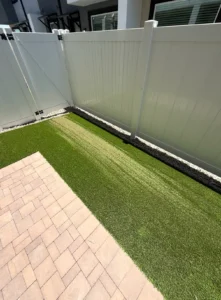
Sunlight reflecting from a shiny white gate and fence created a long strip of heat damage across the artificial turf.
- Exterior solar screens
- Appropriate exterior window films
- Awnings
- Shade structures
- Landscaping that interrupts the reflection
- Changing the landscape material in the affected zone
The appropriate solution depends on the window and property.
We’d also recommend checking with the window manufacturer or a qualified window professional before applying films or treatments to energy-efficient glass. You don’t want to solve one problem by creating another.
Preventing turf burn really comes down to understanding the environment around the installation. Windows, glass, pool accessories, grills, fire features and hot equipment should all be considered when planning where artificial turf will go.
Don’t Assume Expensive Turf Makes You Immune
This is important.
Buying better turf doesn’t make an external extreme heat source disappear.
Quality artificial turf is built for outdoor exposure, but concentrated reflected heat is different.
That’s why site evaluation matters along with product selection.
If you’re still deciding which turf makes sense for your yard, take a look at No Limit Turf’s Residential Artificial Turf options and talk with our team about how the area will actually be used.
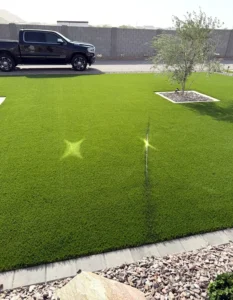
Sunlight concentrated by a window reflection moves across the artificial turf throughout the day, creating a narrow path of heat damage.
Can Artificial Turf Burn Be Repaired?
In many cases, a localized area of turf burn may be repairable, but repairing the damaged turf shouldn’t be the first step.
First:
Find the source.
If a Low-E window is focusing sunlight onto the same section every afternoon and you simply cut out the damaged turf and replace it, you’ve solved the appearance problem without solving the actual problem.
The replacement can be exposed to exactly the same heat.
Our order would be:
Identify the heat source → correct or mitigate the heat source → then repair or replace the turf.
That’s a lot better than repairing the same spot twice.
Arizona Turf Requires Arizona Thinking
Artificial turf is a great fit for Arizona, but our environment deserves some extra planning.
Before installing, look around.
Look at the windows.
Look at the neighboring house.
Think about the pool.
Decide where the grill and fire pit are going.
Give hot landscaping equipment somewhere else to cool down.
And pay attention to unusual reflections.
A few minutes of observation before installation can potentially save you from dealing with artificial turf burn later.
Protect Your Turf Before Heat Damage Happens
Planning a turf project near windows, pools, reflective surfaces or outdoor cooking areas? Talk with No Limit Turf before installation so you can choose the right product and plan around potential heat risks.
No Limit Turf supplies cut-to-size artificial turf and project materials for homeowners, contractors and landscapers throughout the Valley.
Frequently Asked Questions
Can Low-E windows cause turf burn?
Yes. Under certain conditions, concentrated reflected sunlight from Low-E or other reflective windows can create enough localized heat to deform or melt synthetic turf fibers.
Can pool floats cause turf burn?
Clear inflatables and some plastic pool accessories should not be left sitting on artificial turf in strong sunlight. If an unusual melted area appears where a float or plastic item was sitting, concentrated or trapped heat may be the cause.
Can hot tools burn artificial turf?
Yes. Hot components on landscaping equipment can potentially damage synthetic turf. Don’t set recently operated gas-powered equipment directly on artificial grass.
Can I put a BBQ on artificial turf?
We recommend creating a suitable hardscape area for grills, smokers and similar high-heat equipment rather than placing them directly on synthetic turf.
Can artificial turf burn be repaired?
Depending on the extent and location of the damage, a section affected by turf burn may be replaceable. The important first step is identifying what caused the heat damage so the repaired area isn’t exposed to the same problem again.
How do I prevent turf burn in Arizona?
Start by checking the property for concentrated window reflections, glass or reflective surfaces, hot equipment, pool accessories and other heat sources. Address the heat source before installation whenever possible.